
Game-Changing Songwriting Courses to Master Your Craft Today
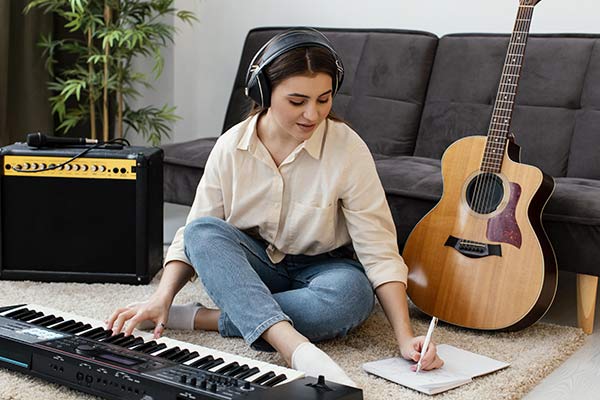
Why Songwriting Courses Matter
Songwriting is no longer just about strumming chords and scribbling lyrics. Today's music creators are expected to wear multiple hats - lyricist, vocalist, instrumentalist, and producer. That's where songwriting courses become invaluable. They provide structured learning, expert mentorship, and creative inspiration to elevate your songwriting from hobby to craft.
Whether you're a complete beginner or a seasoned musician looking to refine your edge, enrolling in a songwriting course can accelerate your growth and expand your toolkit.
The Four Pillars of Songwriting Mastery
To truly excel in songwriting today, you need to focus on four essential areas:
- Instrumental Proficiency - Your instrument is your primary creative tool.
- Vocal Training - Your voice is your most personal musical expression.
- Lyric Writing - Words create emotion and connection.
- Production Tools - Understanding software transforms your rough ideas into polished tracks.
Let's dive into how you can develop each of these pillars through the best available songwriting courses.
Mastering Your Instrument as a Songwriter
Learning an instrument unlocks your ability to express musical ideas instantly. Piano and guitar are especially popular for songwriters because of their harmonic range and accessibility.
- Why Guitar or Piano? These instruments allow you to experiment with chords, melodies, and rhythms all at once. They're also perfect for performing live or writing collaboratively.
- Developing Harmonic Intuition - playing your own chords helps you naturally internalize song structures and progressions.
Learn from the Pros: Top Instrument-Focused Courses
Learn Guitar and Songwriting with KT Tunstall: View Course
KT Tunstall's course is ideal for singer-songwriters wanting to integrate guitar into their writing. It blends technique with songwriting insight, making it a must-have for those looking to improve their live performance skills while composing more authentic music.
Tip: Incorporate daily guitar or piano exercises into your routine. Write one new chord progression every day to boost creativity.
Fine-Tuning Your Voice for Songwriting
Your voice is more than a delivery tool - it's an integral part of how your songs connect emotionally with listeners.
- Singing as a Compositional Tool. A strong voice helps you develop melodies that are natural, expressive, and tailored to your sound.
- Pitch, Tone, and Phrasing - these elements determine the emotional impact of your performance. Training helps you control and enhance them.
Recommended Vocal Singing Training
The Four Pillars of Singing: View Course
This program blends vocal training with lyrical insight, making it perfect for those wanting to express themselves more powerfully through voice and lyrics.
Improving Your Songwriting Through Better Lyrics
Lyrical content is often what makes a song unforgettable. Effective lyrics require a blend of emotion, storytelling, and structure.
- Storytelling Techniques. Tell a story in verses and deliver the emotional punch in the chorus.
- Use of Metaphor and Theme. Well-chosen metaphors add layers of meaning.
- Rhyme Schemes and Flow. Matching syllables and rhythm makes lyrics more musical and easier to remember.
Courses That Sharpen Your Lyrical Edge
The Songwriting Secrets of Guy Chambers: View Course
Learn directly from the hitmaker behind Robbie Williams' biggest songs. Guy Chambers shares elite lyric and melody crafting strategies.
Creative Songwriting Course: View Course
This course dives deep into the creative process, helping you overcome writer's block and find your lyrical voice.
Music Production: The Modern Songwriter's Tool
In today's DIY era, the ability to produce your own music is essential. Digital Audio Workstations (DAWs) let you demo ideas, layer instruments, and polish your tracks - all from home.
- DAWs and Home Studios. Tools like Logic Pro, Ableton, and FL Studio allow you to record, edit, and mix your music.
- Virtual Instruments and Plugins. These enhance creativity, offering access to orchestras, synths, drums, and more without expensive hardware.
Courses That Teach Production and Recording
Music Theory and Songwriting: View Course
This course merges music theory with production tools. It's perfect for understanding how chords, progressions, and melodies work together in the DAW.
Combining All Skills: Becoming a Complete Songwriter
When you combine instruments, voice, lyrical mastery, and production, you become a self-sufficient songwriter. You can create fully formed songs from idea to final mix without needing a studio or band.
Building a Consistent Practice Routine
- Daily Songwriting Habits: Write a short verse or hook every day.
- Keep a Progress Journal: Track what works, what doesn't, and set goals.
Consistency creates momentum, which leads to breakthrough moments.
Collaborative Learning: Working with Other Songwriters
Joining songwriting communities can offer fresh ideas and helpful critiques.
- Feedback and Inspiration: Collaborators provide perspectives you might miss.
- Online Platforms: Use sites like Kompoz, SoundBetter, or Facebook groups to find writing partners.
How to Choose the Right Songwriting Course for You
Not every course is the perfect fit. Consider:
- Your Goals: Are you focusing on lyrics, vocals, or full production?
- Skill Level: Beginners should start with foundational courses; intermediates can explore niche topics.
- Learning Style: Do you prefer video lectures, assignments, or live coaching?
FAQs About Songwriting Courses
1. Are songwriting courses worth the investment?
Absolutely. They offer structured learning and professional insights that fast-track your growth.
2. Can I learn songwriting without knowing how to sing or play an instrument?
Yes, though learning at least one of these skills will enhance your songwriting dramatically.
3. What's the best songwriting course for beginners?
Creative Songwriting is a solid all-rounder for those just starting out.
4. How long should I study before seeing results?
With regular practice, most learners notice improvement within 3-6 months.
5. Do I need a home studio to complete these courses?
No, many start with just a laptop, free DAWs, and a basic mic or smartphone.
6. Can songwriting courses help me get a record deal?
While not a guarantee, courses improve your music's quality and presentation - key factors in catching industry attention.
Conclusion
Mastering the songwriting craft involves much more than just lyrics or chords. The best songwriting courses teach you to blend your instrumental skills, vocal ability, lyrical expression, and digital production expertise into a single, powerful package.
Whether you're just starting or looking to level up, these curated resources - including those from KT Tunstall, Guy Chambers, and more - offer the tools and support to unleash your full creative potential.
More posts you might like
 Collaborating with other musicians can boost your music profile in several ways. First, it allows you to tap into new audiences and fan bases, as your collaborators' fans will likely be exposed to your music as well. Thi...
 Maybe you are a musician looking for a lyricist to add vocals to a track? A vocalist looking for a producer to work with. Or a producer looking for a session musician? Today there are a number of options for finding some...
 Do you struggle to finish your own song ideas? Maybe you find it hard to write the lyrics for a full song, you get hung up on chord progression and arrangement, or songs just never feel ‘finished’ to you?A lot of vocalis...